
TPO is often the best all-around choice for commercial properties seeking a reflective white roof, heat-welded seams, and competitive installation costs. EPDM provides excellent flexibility in cold weather and works well on uncomplicated roofs where a durable black rubber membrane makes sense. PVC is often preferred for restaurants, manufacturing facilities, and buildings exposed to grease, oils, or chemicals. For coastal Connecticut, the best flat roofing material depends on the complete roof assembly, including drainage, insulation, cover board, membrane thickness, edge metal, fasteners, and wind-uplift design.
Commercial buildings in Westbrook, Old Saybrook, and nearby shoreline communities face summer UV exposure, freezing winter temperatures, coastal wind, moisture, and salt-laden air. At Nor’East Exteriors Roofing & Siding, we evaluate the roof deck, drainage, insulation, rooftop equipment, and building operations before recommending a membrane.
TPO vs. EPDM vs. PVC Flat Roof Comparison
| Feature | TPO | EPDM | PVC |
|---|---|---|---|
| Common color | White, gray, tan | Black or white | White, gray, tan |
| Seam type | Heat-welded | Adhesive or taped | Heat-welded |
| Solar reflectivity | High in white | Low in black | High in white |
| Cold-weather flexibility | Good | Excellent | Good |
| Chemical resistance | Good | Moderate | Excellent |
| Typical application | Offices, retail, warehouses | Large, simple roofs | Restaurants, industrial sites |
| Maintenance priority | Seams and penetrations | Seams and flashing | Welds and rooftop traffic |
TPO, EPDM, and PVC each have separate ASTM material standards. That means they should be compared as complete tested systems rather than treated as interchangeable sheets of plastic or rubber.
TPO Roofing for Reflectivity and Energy Performance
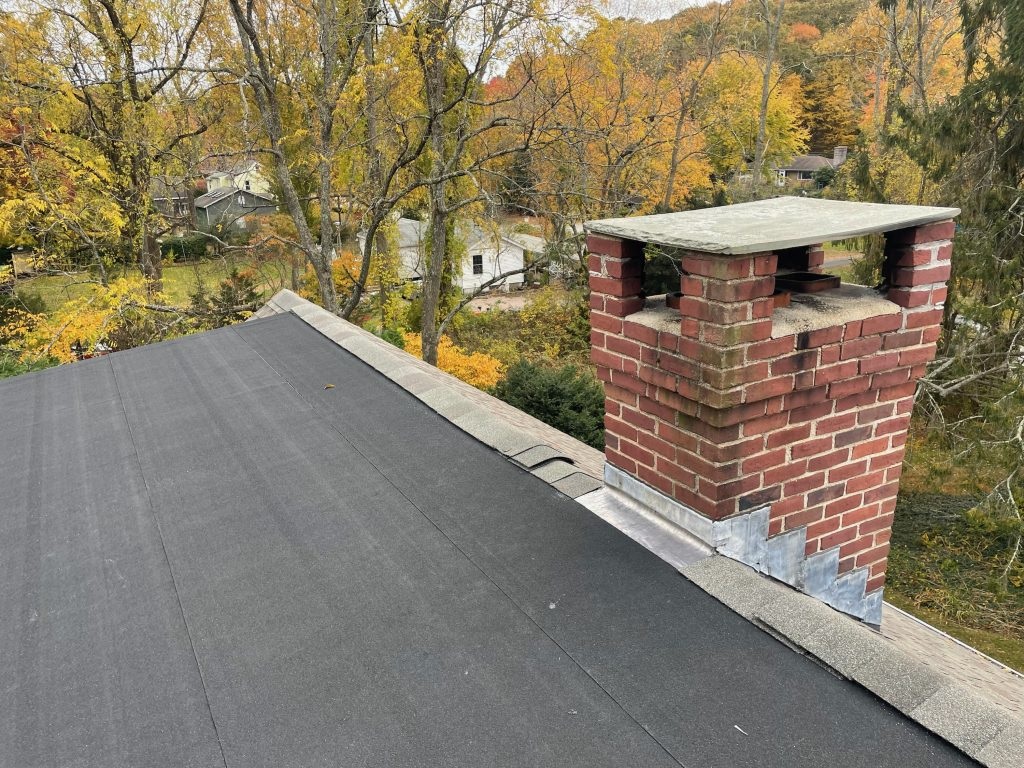
TPO, or thermoplastic polyolefin, is commonly installed as a white reflective membrane with heat-welded seams. Manufacturers promote TPO for UV resistance, heat resistance, weathering performance, and energy efficiency.
A reflective TPO roof can reduce the amount of solar heat absorbed by the building during warm weather. The EPA reports that cool roofs transfer less solar heat into buildings and can reduce air-conditioning demand. Actual savings depend on insulation, roof area, HVAC efficiency, building use, and local conditions.
TPO commonly fits:
- Retail buildings and offices
- Warehouses with cooling demands
- Schools and municipal properties
- Commercial roofs with limited chemical exposure
- Owners seeking a balance between cost and performance
EPDM Roofing for Cold-Weather Flexibility
EPDM is a synthetic rubber membrane with a long history in commercial roofing. Black EPDM absorbs more solar heat than white TPO or PVC, which can provide a winter warming benefit in northern climates. Carlisle also notes that EPDM remains highly flexible at low temperatures.
That heat absorption can become a disadvantage during summer, especially over air-conditioned buildings. Roof insulation and the building’s yearly heating and cooling demands should guide the decision rather than membrane color alone.
EPDM commonly fits:
- Large roofs with simple layouts
- Buildings with limited foot traffic
- Properties prioritizing cold-weather flexibility
- Owners seeking a proven rubber roofing system
EPDM seams are normally joined with adhesive or seam tape instead of hot-air welding. Regular inspections should focus on seams, penetrations, drains, flashing, and areas around rooftop equipment.
PVC Roofing for Grease and Chemical Exposure
PVC is another thermoplastic membrane with heat-welded seams. Its greatest advantage is resistance to chemicals, grease, fire, animal fats, and punctures. Those properties can make PVC a strong option for restaurants, food-processing buildings, laboratories, and industrial facilities with rooftop exhaust.
PVC may carry a higher initial cost than basic TPO or EPDM systems. However, choosing a less compatible membrane for a grease-heavy or chemical-exposure environment may lead to premature repairs.
Puncture resistance also depends on membrane thickness, reinforcement, cover board, attachment method, and maintenance procedures. Walk pads should be installed near frequently serviced HVAC units regardless of membrane type.
Which Membrane Handles Standing Water Best?
No commercial membrane should be used as a substitute for proper drainage. NRCA recommends positive roof drainage because standing water can damage roofing systems and place added stress on the roof structure. Tapered insulation, crickets, drains, and scuppers may be needed to move water away from low areas.
During a commercial roof inspection, we look for blocked drains, compressed insulation, deck movement, failed seams, and low areas where water remains after storms.
What About Sea Salt and Coastal Exposure?
TPO, EPDM, and PVC membranes can tolerate contact with common chloride-based ice-melting products. Metal components require more attention because sodium chloride can contribute to corrosion around aluminum, copper, fasteners, edge metal, and rooftop equipment.
For shoreline properties, we recommend compatible corrosion-resistant fasteners, secure perimeter details, scheduled cleaning, and inspections after strong coastal storms. Membrane selection matters, but attachment and edge design are equally important.
Commercial Flat Roof Replacement Cost per Square Foot
For early planning, commercial roofing commonly falls between $5 and $12 per square foot, depending on roof size, membrane type, insulation, tear-off requirements, access, drainage corrections, cover board, and deck repairs. A detailed evaluation is needed before confirming the actual commercial flat roof replacement cost per square foot.
A recover system may cost less than a complete tear-off, but only when the deck and existing assembly meet moisture, code, and manufacturer requirements.
Schedule a Commercial Flat Roof Evaluation
Our commercial roofing team installs and replaces TPO, EPDM, PVC, and other low-slope roofing systems across Connecticut. We help property owners compare membrane performance, insulation, drainage, warranties, and long-term maintenance before work begins.
Schedule a commercial flat roof evaluation or ask about a thermal leak scan with Nor’East Exteriors Roofing & Siding. Our team can identify wet insulation, hidden leakage risks, drainage concerns, and the most practical path toward repair or commercial roof replacement.