

The roof replacement insurance claim process generally starts with documenting storm damage, preventing additional water intrusion, reviewing the policy, obtaining a professional roof inspection, filing the claim, meeting the insurance adjuster, reviewing the insurer’s estimate, and completing approved repairs. Coverage depends on the cause of damage and policy terms. Replacement Cost Value, or RCV, generally pays covered replacement costs without deducting depreciation, while Actual Cash Value, or ACV, subtracts depreciation. Roof age does not automatically eliminate coverage for a covered storm loss, but an older roof can produce a substantially smaller ACV payment. Connecticut homeowners should also check deductibles and Ordinance or Law coverage before work begins.
At Nor’East Exteriors Roofing & Siding, we help homeowners document roof damage, develop accurate repair or replacement estimates, and prepare for the insurer’s inspection while keeping the contractor’s role separate from insurance coverage decisions.
Step 1: Document Roof Damage as Soon as It Is Safe
After hail, high winds, falling limbs, or another severe weather event, begin with photographs and videos.
Document:
- Missing or lifted shingles
- Hail impact marks
- Damaged flashing
- Gutters and siding damage
- Fallen branches
- Interior leaks or ceiling stains
- Debris surrounding the property
Connecticut’s Insurance Department recommends documenting damage before cleanup, making only temporary repairs needed to prevent further loss, saving receipts, and giving the insurer an opportunity to inspect before permanent repairs begin.
Never climb onto a wet or damaged roof. Our storm damage roof repair service can provide a safer professional assessment.
Step 2: Review Coverage and Your Deductible
Before assuming insurance will replace the roof, review the declarations page and policy.
Look for:
- Wind and hail coverage
- Roof-specific limitations
- ACV or RCV settlement terms
- Wind or hurricane deductibles
- Coverage limits
- Exclusions
- Ordinance or Law coverage
Connecticut policies may use a flat deductible or, depending on the policy and covered event, a percentage deductible. The declarations page should identify the applicable amount.
The deductible remains part of the homeowner’s financial responsibility under the policy. An insurance settlement should therefore never be treated as automatically paying 100% of the project.
Step 3: Have the Roof Professionally Inspected
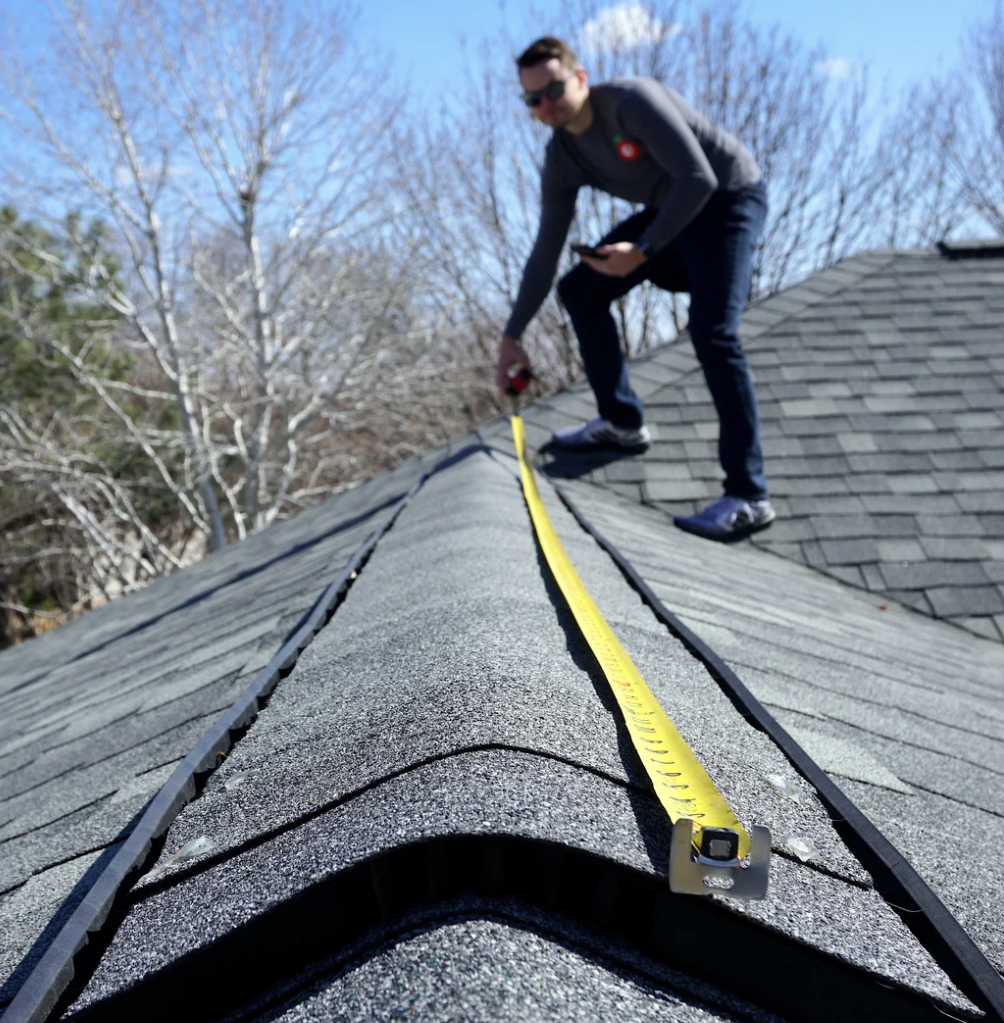
Insurance adjusters evaluate claims, but getting a roofing contractor’s inspection before or around the adjuster appointment gives homeowners a construction-focused assessment.
We look for damage that may not be obvious from the driveway, including compromised flashing, lifted shingles, damaged ridge components, ventilation issues, decking concerns, and accessory damage.
Our roof insurance claim assistance includes detailed documentation and professional estimates that can help homeowners understand the actual scope of restoration.
Step 4: File the Insurance Claim
Once the damage has been documented, contact the insurer or agent and report the loss.
Provide accurate information about:
- Date of loss
- Type of storm or event
- Areas affected
- Temporary repairs completed
- Photos and videos
- Contractor inspection findings
Keep the claim number and maintain records of emails, phone calls, estimates, receipts, and insurer correspondence.
Step 5: Meet With the Insurance Adjuster
The insurer normally sends a company or independent adjuster to inspect the loss and determine the covered scope.
We can meet at the property during the inspection to provide measurements, photographs, roof observations, and construction information. The insurance adjuster still determines coverage according to the policy.
That distinction matters when homeowners compare a public adjuster vs roofing contractor.
A roofing contractor evaluates damage and prepares the construction estimate. A licensed public adjuster works for the policyholder for compensation and can prepare, document, negotiate, and adjust an insurance claim. Connecticut does not permit the same person to simultaneously operate as both a contractor and public adjuster.
Step 6: Understand ACV vs. RCV
This is where many roof claims become confusing.
Actual Cash Value (ACV) generally means:
Replacement cost minus depreciation = ACV
Replacement Cost Value (RCV) generally covers the cost of replacing covered damaged property without deducting depreciation, subject to policy terms, limits, deductibles, and required documentation. Insurers may initially withhold recoverable depreciation until repairs are completed.
Will Insurance Pay for a 20-Year-Old Roof?
Possibly.
A 20-year-old roof is not automatically excluded from a claim simply because of age. The critical questions are what caused the damage and what the policy covers.
The Connecticut Insurance Department gives an example where a covered event destroys a 20-year-old roof. Under RCV coverage, replacement may be covered, while an ACV policy could provide a much smaller settlement because of depreciation.
Normal wear, deterioration, neglected maintenance, and pre-existing damage are different from sudden covered storm damage.
Step 7: Check for Roofing Code Upgrades
A replacement roof may need to comply with current building codes even when the original roof was constructed under older requirements.
Potential upgrades may involve roofing materials, flashing, ventilation, underlayment, or related components.
That extra work is where Ordinance or Law coverage, sometimes called code upgrade coverage, becomes important. Connecticut’s claims guidance notes that standard homeowners coverage may not pay additional costs required solely to bring damaged property up to current codes unless applicable Ordinance or Law coverage exists.
Homeowners can review the official Connecticut Insurance Department claims resources for additional policy guidance.
Step 8: Compare the Insurance Estimate With the Actual Roofing Scope
An insurer’s first estimate is not necessarily the final construction scope.
Differences may involve:
- Roofing quantities
- Flashing
- Underlayment
- Ventilation
- Decking discovered after tear-off
- Building-code requirements
- Labor or material pricing
When legitimate covered work is missing, supporting documentation and a contractor estimate can be submitted to the insurer for review.
For more preparation tips, see our related guide, Storm Damage Checklist: What to Do Before Calling Your Insurance Company.
Get an Accurate Roof Replacement Estimate After Storm Damage
A strong claim starts with accurate damage documentation and a roofing scope based on what the home actually needs.
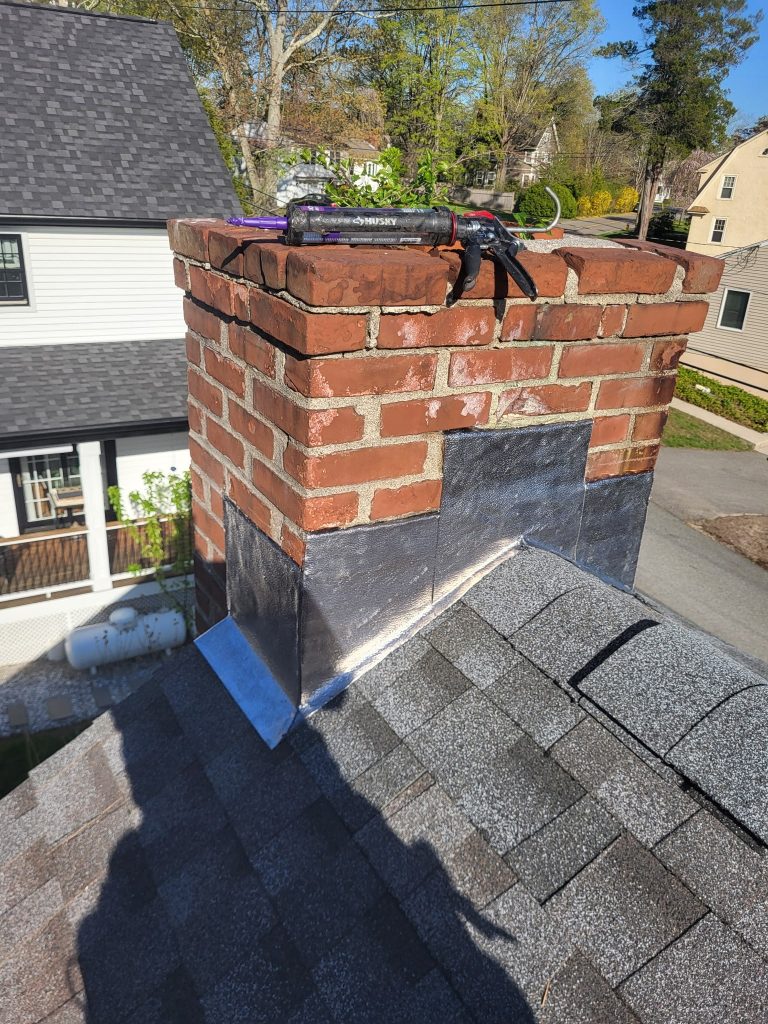
At Nor’East Exteriors Roofing & Siding, we help Connecticut homeowners inspect storm-damaged roofing, document affected components, prepare detailed replacement estimates, and coordinate the construction side of the adjuster inspection.
Suspect wind, hail, or storm damage? Schedule a professional roof inspection with Nor’East Exteriors before small damage develops into a larger roofing problem.