
A new roof estimate CT homeowners can trust should do more than show a simple square-foot price. A roof replacement is not just shingles, nails, and cleanup. It is a full exterior system review that may uncover damaged plywood, sheathing rot, poor attic ventilation, failing flashing, aging gutters, water-damaged trim, or siding tie-ins that affect the final scope.
At NorEast Exteriors Roofing & Siding, our goal is to make exterior renovation budgeting feel clear, professional, and pressure-free. We help Connecticut homeowners understand what goes into a full roof quote before decisions are made, so the project plan matches the real condition of the home.
NorEast Exteriors provides roofing, siding, gutters, windows, and decks for Westbrook homeowners and businesses, and the company describes its estimate process as a free no-pressure estimate with dependable service from the first call to final cleanup.
Why a Roof Replacement Cost Calculator Can Miss the Real Number
A roof replacement cost calculator can be helpful for getting a rough starting point. It may ask for home size, roof pitch, shingle type, and basic labor assumptions. That gives a ballpark, but it does not see what is under the shingles.
Most calculators miss the variables that experienced roofers look for during an on-site inspection:
- Soft or rotted roof decking
- Multiple old roofing layers
- Damaged plywood
- Poor attic ventilation
- Ice dam history
- Chimney and skylight flashing issues
- Rotted fascia or rake boards
- Gutter and siding connection points
- Steep roof access challenges
- Code-related underlayment needs
- Storm damage hidden below the surface
That is why local roofing quotes can vary so much. Two companies may look at the same address and give very different numbers because one quote includes the real repair scope while another only covers the visible surface.
What Goes Into a Comprehensive New Roof Estimate
A professional roof estimate should explain the whole system, not just the shingle color. At NorEast Exteriors, our roof replacement services include consultation, inspection, clear detailed estimates, material guidance, tear-off, installation, cleanup, and warranty-backed work.
A strong estimate should include:
- Roof measurements and slope details
- Tear-off requirements
- Shingle type and product line
- Underlayment and ice barrier plan
- Flashing replacement or reuse notes
- Drip edge details
- Ventilation improvements
- Decking inspection expectations
- Plywood replacement pricing
- Cleanup and disposal
- Warranty coverage
- Payment or financing options
- Clear allowances for hidden conditions
That last point matters most. Hidden structural variables are where budgets often change.
Hidden Variable 1: Sheathing Rot Beneath the Shingles
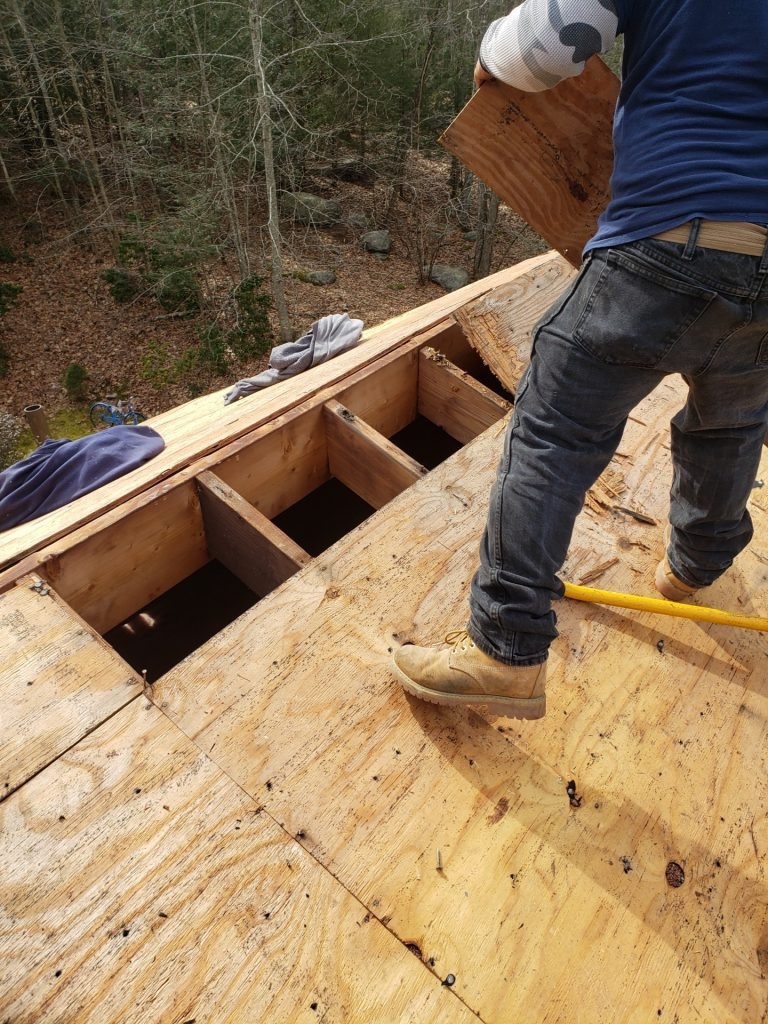
Roof sheathing is the deck that supports the roofing system. When plywood or wood decking rots, shingles cannot fasten properly. A roof may look acceptable from the street while the deck underneath is soft, stained, delaminated, or weakened by years of leaks.
Common causes of sheathing rot include:
- Old roof leaks
- Ice dams
- Poor attic ventilation
- Condensation under the deck
- Failed flashing
- Long-term gutter overflow
- Improper past repairs
This is one of the biggest reasons an asphalt shingle roof cost can change after tear-off. A quote should explain how damaged plywood is identified, priced, and replaced before new shingles are installed.
Hidden Variable 2: Damaged Plywood Replacement
Replacing damaged plywood is not an upsell. It is part of building a roof that can perform properly.
If old plywood is soft, warped, rotted, or structurally weak, covering it with new shingles only hides the problem. A reliable new roof estimate CT homeowners can trust should include a per-sheet plywood replacement price or a clear allowance so there are no surprises.
Ask every contractor:
- How will damaged decking be documented?
- What does plywood replacement cost per sheet?
- Will photos be provided?
- Who approves extra decking work?
- Is the replacement material included in the warranty scope?
These questions protect the budget and the home.
Hidden Variable 3: Ice and Water Shield Barriers
Connecticut roofs face snow, freeze-thaw cycles, wind-driven rain, and ice dams. That makes underlayment planning more important than many homeowners realize.
Ice and water shield is commonly installed at vulnerable areas such as eaves, valleys, penetrations, and leak-prone transitions. Connecticut roofing requirements also involve underlayment and roof deck joint details. A GAF technical bulletin on Connecticut residential code requirements notes that a 4-inch self-adhering polymer-modified bitumen membrane is required over roof deck joints under the referenced Connecticut amendment, with an alternative option for self-adhering underlayment over the full deck when used properly.
A low quote may not clearly explain these details. A better quote should show where leak barriers, underlayment, seam tape, and ice protection will be installed.
Hidden Variable 4: Ventilation Problems
A roof system is not only exterior material. It also depends on attic airflow.
Poor ventilation can trap heat and moisture under the roof deck. Over time, that may contribute to mold, condensation, sheathing deterioration, and shortened shingle performance. The GAF bulletin also warns that full deck self-adhering underlayment approaches need proper ventilation and moisture control in Connecticut’s climate to reduce condensation and deck deterioration risks.
A quality roofing estimate should look at intake and exhaust ventilation, not just shingle replacement. That may include soffit vents, ridge vents, blocked intake areas, bath fan exhaust problems, or attic moisture concerns.
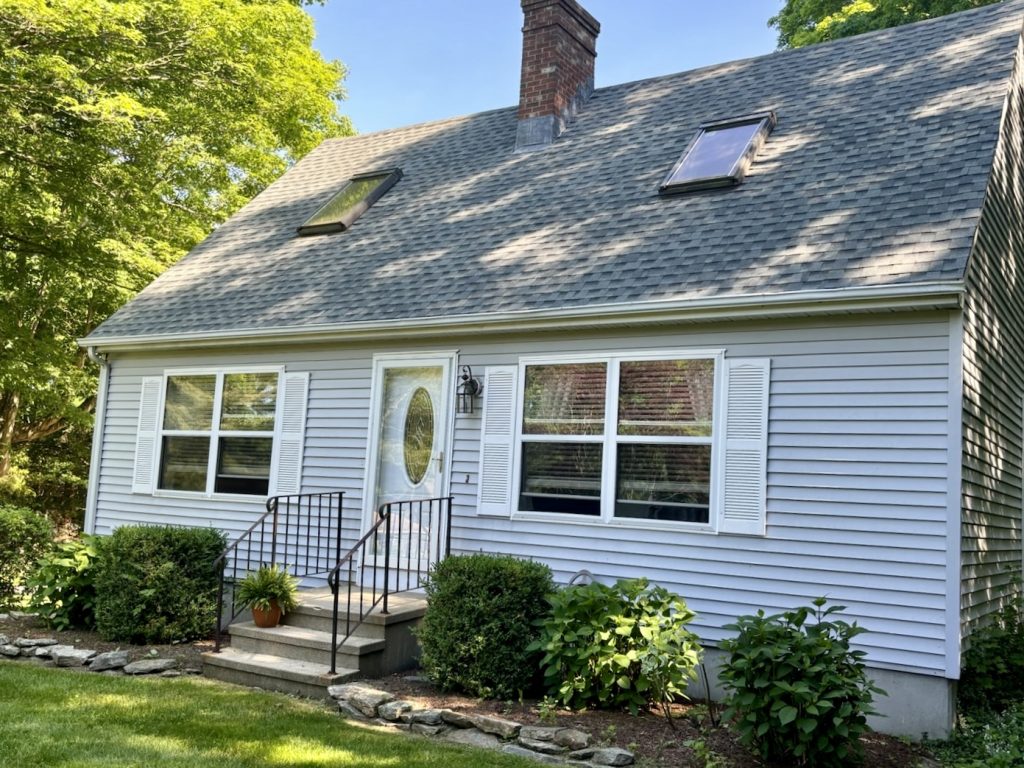
Hidden Variable 5: Flashing, Chimneys, Skylights, and Wall Tie-Ins
Flashing is one of the most important leak-control details on any roof.
The estimate should address:
- Chimney flashing
- Step flashing along walls
- Skylight flashing
- Pipe boots
- Vent flashing
- Dormer intersections
- Roof-to-siding transitions
When roofing connects with siding, trim, or gutters, the estimate may need to account for related exterior repairs. NorEast Exteriors provides full exterior services, including siding contractor services, gutter installation, windows, decks, and other exterior improvements for Connecticut homeowners.
This matters when comparing siding cost per square foot or roofing numbers because the cheapest line item may ignore the tie-in details that protect the wall system.
Hidden Variable 6: Storm Damage and Insurance Documentation
Storm damage can create both visible and hidden roof problems. Missing shingles are obvious, but lifted shingles, punctures, flashing damage, granule loss, and water infiltration may require a closer inspection.
NorEast Exteriors’ storm damage repair process includes roof, gutter, and attic inspection, photo documentation, written reports, emergency repairs when needed, permanent repairs, and final cleanup.
For homeowners dealing with storm-related damage, documentation can be just as important as the quote itself. A complete estimate should help explain what was found, what should be repaired, and what work is necessary to restore protection.
Why Asphalt Shingle Roof Cost Varies
Asphalt shingles remain a popular roofing choice because they offer strong value, style flexibility, and practical performance for Connecticut homes. But asphalt shingle roof cost depends on more than the shingle bundle price.
Budget variables include:
- 3-tab versus architectural shingles
- Roof pitch and access
- Number of roof layers
- Decking repairs
- Flashing replacement
- Ventilation upgrades
- Underlayment system
- Ice barrier coverage
- Disposal costs
- Labor complexity
- Warranty level
- Cleanup requirements
NorEast Exteriors installs asphalt shingles, metal roofing, architectural shingles, and flat roofing systems, and the company notes that every roof should meet or exceed building code standards and manufacturer specifications.
For homeowners comparing shingle options, our guide on architectural shingles vs. 3-tab shingles in New England is a helpful next read.
How to Compare Local Roofing Quotes Without Getting Pressured
Old-school roofing sales tactics often push homeowners to sign fast. That is not how a major exterior renovation should work.
A pressure-free quote should give homeowners room to compare:
- Scope of work
- Materials
- Warranty details
- Plywood replacement pricing
- Flashing plan
- Underlayment plan
- Ventilation recommendations
- Cleanup process
- Payment options
- Timeline
- Contractor credentials
NorEast Exteriors is licensed and insured, locally owned and operated, and lists manufacturer certifications including GAF Certified, Owens Corning Preferred Contractor, and TAMKO Certified.
The right contractor should welcome questions. A clear estimate should make decisions easier, not more stressful.
Building a Smarter Exterior Renovation Budget
A roof project often connects with other exterior needs. Gutters may need replacement after a roof is installed. Siding near dormers or roof-wall intersections may need attention. Rot around fascia, soffits, or trim may need repairs before the final exterior system is complete.
A practical exterior renovation budget can include:
- Base roof replacement estimate
- Decking and plywood contingency
- Flashing and chimney allowance
- Ventilation correction allowance
- Gutter replacement or repair allowance
- Siding or trim repair allowance
- Permit or code-related items
- Financing plan, when useful
- Cleanup and disposal
- Final inspection and warranty review
NorEast Exteriors offers financing options for qualified homeowners, and the roof replacement page notes that flexible payment plans can be discussed during consultation.
The NorEast Approach: Clear, Professional, No Pressure
A roof estimate should not feel like a guessing game. Homeowners deserve straight answers, realistic pricing, and a full explanation of what could change once the old roof is removed.
At NorEast Exteriors Roofing & Siding, we take the time to inspect, explain, and build a quote around the actual home. Our work covers roofing, roof replacement, siding, gutters, storm damage repair, and related exterior needs across Connecticut.
A good estimate protects the budget. A great estimate protects the home.
For homeowners in Westbrook, Old Saybrook, Clinton, Madison, Guilford, Essex, Chester, East Lyme, Old Lyme, Waterford, Branford, and surrounding Connecticut shoreline communities, the best place to start is a professional inspection and a clear conversation.
FAQs
What should be included in a new roof estimate in CT?
A new roof estimate should include tear-off, materials, underlayment, ice and water shield, flashing, ventilation, cleanup, warranty details, and a clear method for pricing hidden plywood or sheathing repairs.
Why does a roof replacement cost calculator give a different number than a contractor?
A roof replacement cost calculator can only estimate visible or basic inputs. A contractor inspection can identify hidden variables such as rotten plywood, poor ventilation, flashing damage, multiple layers, or roof access issues.
How much does damaged plywood affect asphalt shingle roof cost?
Damaged plywood can raise the final project cost because weak decking must be replaced before shingles are installed. A clear estimate should list the per-sheet replacement cost or allowance.
Should roofing and siding be estimated together?
Roofing and siding should be reviewed together when the project involves roof-wall transitions, dormers, rake boards, fascia, soffits, or flashing details. This helps prevent gaps between systems.
What makes local roofing quotes easier to compare?
Local roofing quotes are easier to compare when each contractor provides a detailed written scope, material names, warranty details, decking repair pricing, underlayment plan, cleanup process, and timeline.