

Improper siding installation causes hidden wall rot when water gets behind siding and cannot drain back out. The most common failure points are house wrap installation mistakes, missing Z-flashing above windows and doors, poorly sealed penetrations, trapped moisture behind flat siding, and siding installed without a drainage path. Building Science Education explains that a water-managed wall uses house wrap and flashing to stop water from entering wall cavities and direct moisture down and away from the structure.
Why Water Behind Siding Is So Dangerous
Siding is the outer armor of a home, but it is not the only water defense. Rain, wind-driven moisture, coastal humidity, melting snow, and condensation can all find small openings.
At Nor’East Exteriors Roofing & Siding, we treat siding as part of the full exterior envelope. Our siding work is built for Westbrook, Old Saybrook, Clinton, Madison, Guilford, Essex, Old Lyme, Chester, Killingworth, East Lyme, and nearby Connecticut shoreline homes where wind, salt air, rain, and freeze-thaw cycles can expose weak details.
When water gets behind siding and stays there, it can damage:
- Wood sheathing
- Wall studs
- Window framing
- Door headers
- Insulation
- Interior drywall
- Exterior trim
- Sill plates
- Fasteners
- Paint and finishes
The worst damage often stays hidden until soft walls, musty odors, warped siding, or interior stains appear.
House Wrap Installation Mistakes
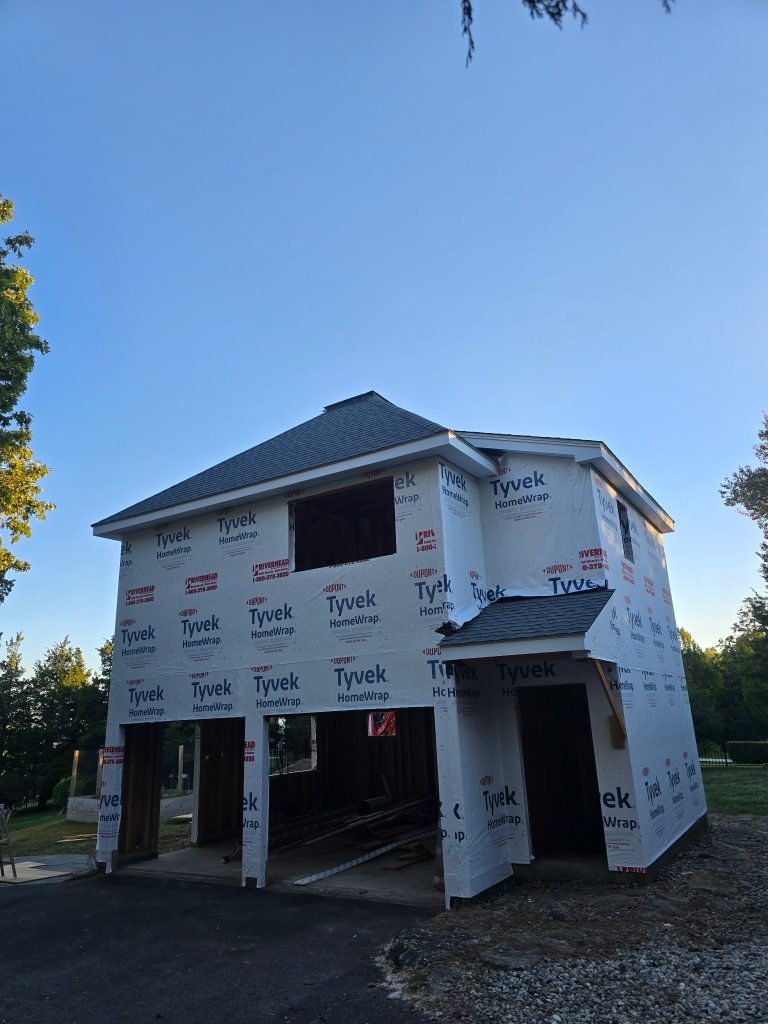
House wrap, also called a water-resistive barrier or WRB, should create a continuous drainage layer behind siding. The problem starts when the wrap is cut, overlapped wrong, left untaped, installed behind the wrong flashing layer, or torn during siding work.
Common house wrap installation mistakes include:
- Reverse laps that direct water behind the wrap
- Untaped seams
- Gaps around pipes, vents, outlets, and hose bibs
- Missing WRB behind trim
- Torn wrap left unrepaired
- Wrap tucked behind flashing instead of lapped over correctly
- Siding nailed so tightly that drainage space is crushed
A WRB is not a magic sheet. It only works when the full system is layered correctly.
Missing Z-Flashing Around Windows and Doors
Windows and doors interrupt the wall system, which makes them high-risk leak points. Z-flashing and drip cap details help move water out and over the siding below.
Without proper flashing, water can run behind trim, soak the sheathing, and move into framing. Building Science Education notes that flashing around window and door openings protects wall framing from water that gets behind siding and helps create a continuous drainage plane.
Warning signs may include:
- Dark stains below windows
- Swollen trim
- Peeling paint near casing
- Soft siding below a sill
- Interior drywall stains
- Musty smells near exterior walls
- Mold around window corners
Why Drainage Gaps Matter
A well-built siding system needs a way to dry. Some wall assemblies use a small drainage gap, rainscreen mat, furring strips, or siding profile that allows moisture to move downward and air to move behind the cladding.
Building Science Corporation describes the drainage plane as the layer behind cladding that connects with flashing and openings to drain water that passes through siding back to the exterior.
When siding is pressed flat against the wall with no drying path, moisture can become trapped. That trapped moisture raises the risk of mold, rot, and peeling finishes.
How Hidden Wall Rot Starts
Wall rot usually starts small. A tiny leak at a window head, corner board, roof-to-wall area, or unsealed penetration wets the sheathing. The siding hides the damage. The sun dries the exterior face, but the inside of the wall stays damp.
Over time, repeated wetting can cause:
- Soft sheathing
- Crumbling wood fibers
- Loose siding fasteners
- Wavy siding
- Mold growth
- Insulation damage
- Framing repairs
- Higher replacement cost
EPA guidance notes that the way to control indoor mold growth is to control moisture, and hidden mold can occur inside wall materials when moisture problems are present.
Why Low-Bid Siding Jobs Can Cost More Later
A cheaper siding quote may skip the most important layers. If a contractor only covers old siding, ignores damaged sheathing, or installs panels over a failing WRB, the new exterior can hide the same moisture problem.
A true siding restoration may require:
- Full tear-off
- Sheathing inspection
- Rot repair
- New water-resistive barrier
- Correct flashing
- Proper trim details
- Vent and penetration sealing
- Drainage planning
- Manufacturer-compliant siding installation
Nor’East Exteriors provides siding replacement, new construction siding, siding repair, soffit installation, trim work, inspections, and insurance claim support for Westbrook and nearby CT homes.
Siding Replacement Cost Near Me: What Affects Price?
Homeowners searching siding replacement cost near me should know that price depends on what is hiding behind the old siding.
Cost factors include:
- Home size
- Siding material
- Trim details
- Number of windows and doors
- WRB condition
- Flashing upgrades
- Sheathing damage
- Wall rot repair
- Soffit and fascia needs
- Disposal and tear-off scope
- Coastal exposure requirements
The lowest number is not always the safest option. A proper siding inspection can reveal whether the job is a simple exterior upgrade or a full envelope restoration.
When to Schedule a Siding Inspection
Schedule a professional inspection when these signs appear:
- Water getting behind siding
- Loose, warped, or buckled panels
- Soft trim or soft sheathing
- Staining near windows or doors
- Interior wall stains
- Musty odors
- Mold near exterior walls
- Paint failure around trim
- High humidity inside rooms
- Repeated leaks after storms
A siding inspection is especially important before replacing panels, painting trim, or covering older siding.
Protect the Wall Before Replacing the Exterior
New siding should not just look better. It should protect the wall system behind it.
At Nor’East Exteriors Roofing & Siding, our team helps Connecticut homeowners evaluate the full exterior envelope before installation. For homes that need more than a cosmetic update, we can inspect old siding, uncover hidden moisture damage, repair the wall assembly, and install a siding system built for shoreline weather.
For siding inspection, full siding replacement, storm-related exterior damage, or hidden wall rot concerns, contact Nor’East Exteriors to request a professional exterior review.
FAQs
What are common house wrap installation mistakes?
Common mistakes include reverse laps, untaped seams, torn wrap, missing wrap around penetrations, and flashing installed in the wrong order.
Why is water getting behind siding?
Water can get behind siding through failed flashing, open trim joints, loose panels, damaged caulk, roof-to-wall areas, vents, windows, doors, or poor WRB installation.
Can improper siding installation cause mold?
Yes. When moisture is trapped inside a wall assembly, mold can grow on damp materials. EPA notes that mold control depends on controlling moisture.
Does siding need a drainage gap?
Many siding systems benefit from a drainage path behind the cladding so water can drain and the wall can dry. The best detail depends on siding type, manufacturer requirements, and local exposure.
Who offers siding replacement near Westbrook CT?
Nor’East Exteriors Roofing & Siding provides siding replacement, siding repair, inspections, trim, soffits, and exterior envelope upgrades for Westbrook and Connecticut shoreline homes.