
Homes along the Connecticut shoreline face a different kind of roofing challenge. A roof in Westbrook, Old Saybrook, Clinton, Madison, Guilford, Essex, Old Lyme, or East Lyme has to handle more than everyday rain. It has to stand up to Long Island Sound winds, wind-driven rain, salt air, freeze-thaw cycles, heavy snow, and brutal nor’easters.
At Nor’East Exteriors Roofing & Siding, our team builds roofing systems for New England weather, not just basic curb appeal. As a local Westbrook roofing company, we focus on proper roof replacement, roof repair, roof inspection, and storm damage protection for coastal homes across the CT shoreline. Nor’East Exteriors is licensed and insured, with manufacturer credentials that include GAF Certified, Owens Corning Preferred Contractor, and TAMKO Certified status.
For homeowners searching for a roofing company Westbrook CT, GAF certified roofing contractors, hurricane rated shingles, or coastal home improvement, this guide explains why shoreline roofing needs advanced wind and uplift engineering.
Why Coastal CT Roofs Face Higher Wind Risk
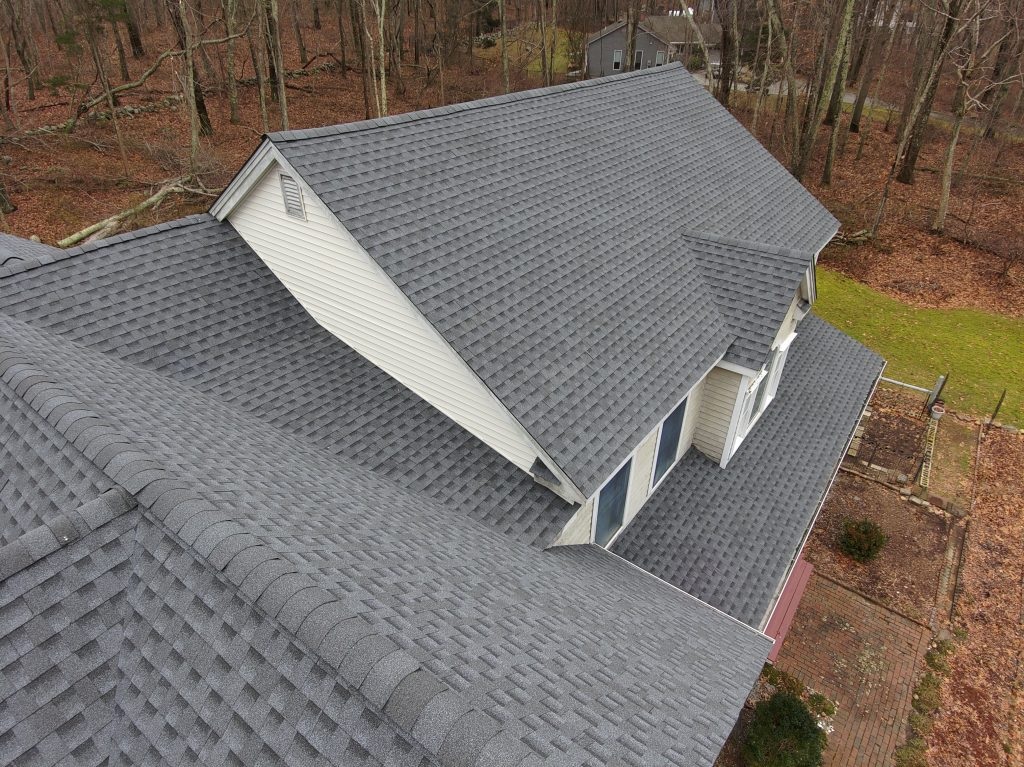
Coastal homes are exposed to stronger wind patterns because there are fewer natural barriers between the roof and open water. During a nor’easter, wind can push rain sideways, lift shingle edges, stress fasteners, and test every weak point around flashing, ridges, eaves, rakes, vents, skylights, and valleys.
Wind does not pull evenly across a roof. Uplift pressure changes based on roof height, roof shape, building location, and roof zones. Corners and roof edges often experience the highest uplift pressure, while the center field of the roof usually sees less stress.
That matters because shoreline homes need more than “good shingles.” They need a full roofing system where every layer supports wind resistance.
What Wind Uplift Means for Your Roof
Wind uplift happens when fast-moving air creates suction over the roof surface. That suction can pull upward on shingles, underlayment, decking, flashing, and roof edges.
On a coastal home, uplift risk can lead to:
- Lifted shingles
- Broken seal strips
- Exposed fasteners
- Water entry under shingles
- Edge metal failure
- Ridge cap damage
- Leaks after wind-driven rain
- Progressive storm damage over time
A roof that looks fine from the ground can still have hidden uplift damage after a storm. That is why a professional roof inspection is important after major wind, heavy rain, hail, or coastal storm events. Nor’East Exteriors includes exterior roof components, attic ventilation, moisture concerns, leaks, flashing, vents, and drainage performance during the inspection process.
CT Roofing Codes and Coastal Requirements
Connecticut roofing work must follow the adopted state building code, and the 2022 Connecticut State Building Code references wind provisions using ultimate design wind speed criteria. The Connecticut residential roof assembly code also covers asphalt shingle roof slope requirements and roof assembly rules.
For shoreline homeowners, the key takeaway is simple: roof materials, fasteners, deck attachment, underlayment, flashing, ventilation, and installation details must work together for the specific property.
A code-compliant roof should account for:
- Local wind exposure
- Roof slope
- Roof height
- Roof shape
- Shingle rating
- Fastening method
- Roof deck condition
- Starter strip placement
- Ridge cap system
- Ice and water protection
- Drip edge and flashing details
- Attic ventilation balance
Our team always recommends confirming local permit and code requirements with the town building department before work begins, especially for shoreline homes, historic homes, additions, and storm-related roof replacement.
Why GAF and Owens Corning Systems Matter Near Long Island Sound
A roof is strongest when shingles, starter strips, ridge caps, leak barriers, deck protection, and ventilation are designed to work as one system.
GAF Timberline shingles can qualify for strong wind warranty coverage when installed with required GAF accessories. GAF notes that LayerLock-labeled shingles can qualify for WindProven Limited Wind Warranty coverage when paired with qualifying accessory products such as starter strips, ridge cap shingles, roof deck protection, and leak barrier or attic ventilation.
Owens Corning Duration shingles use SureNail Technology and are promoted for 130 mph wind warranty performance in manufacturer product materials.
That is why working with trained, certified roofers matters. As GAF certified roofing contractors, our team understands the system approach required for coastal roof performance, manufacturer warranty alignment, and cleaner installation details.
What Makes a Coastal Roofing System Stronger
A coastal roofing system should be built from the deck up. The shingle is only the top layer.
For shoreline CT homes, we focus on:
Strong Roof Deck Assessment
Before any shingle goes down, the roof deck needs to be checked for soft spots, rot, gaps, water damage, and fastener concerns. Weak decking reduces the performance of even premium shingles.
Proper Starter Strips
Starter strips protect roof edges and help resist wind at eaves and rakes. These areas often take the strongest uplift pressure during coastal storms.
High-Performance Underlayment
Roof deck protection and leak barrier materials help reduce risk from wind-driven rain, ice dams, and water backup.
Correct Nailing Pattern
High-wind roofing performance depends on fastener placement. Nails need proper depth, straight placement, and manufacturer-approved patterns.
Ridge and Hip Protection
Ridge caps are exposed to strong wind movement. A complete roofing system uses matching ridge cap products rather than shortcuts.
Balanced Ventilation
Attic ventilation helps control heat and moisture. Poor ventilation can shorten roof life, contribute to condensation, and affect long-term performance.
Hurricane Rated Shingles vs. Coastal Roofing Systems
Many homeowners search for “hurricane rated shingles” after a storm or when buying a shoreline property. That search makes sense, but shingles alone are not the full answer.
A high-wind shingle can only perform as intended when the rest of the system is installed properly. That includes:
- Approved underlayment
- Proper starter strips
- Correct nails
- Correct nail placement
- Strong roof decking
- Secure flashing
- Adequate ventilation
- Matching ridge caps
- Proper edge protection
A coastal roof is not just a product choice. It is an installation standard.
Signs Your Shoreline Roof May Need Attention
Schedule a roof repair or inspection when these warning signs appear:
- Missing shingles after a storm
- Shingles lifting at the edges
- Granules collecting in gutters
- Ceiling stains after wind-driven rain
- Leaks near chimneys or skylights
- Loose flashing
- Sagging roof areas
- Dark attic moisture stains
- Repeated repairs after every storm
For severe weather damage, our storm damage roof repair process includes storm damage inspection, documentation, emergency repairs when needed, permanent roof repair, and cleanup.
Why Shoreline Homeowners Choose Nor’East Exteriors
Nor’East Exteriors Roofing & Siding provides roofing services across the CT shoreline, including residential roofing, roof replacement, roof repair, roof inspections, storm damage repair, and commercial roofing.
As a local roofing company based in Westbrook, we understand the weather patterns that affect homes near Long Island Sound. Our roofing recommendations are built around durability, code awareness, wind resistance, and honest guidance.
We serve shoreline and nearby communities including:
- Westbrook
- Old Saybrook
- Clinton
- Madison
- Guilford
- Essex
- Chester
- Killingworth
- Old Lyme
- East Lyme
- East Haven
The Right Roofing System
Coastal CT roofing is not a basic shingle job. Shoreline homes need code-aware installation, high-wind system planning, proper fastening, strong roof deck preparation, advanced underlayment protection, and manufacturer-backed roofing products.
A strong coastal roof starts with the right roofing company, the right materials, and the right installation details.
For a roof built for Long Island Sound weather, contact Nor’East Exteriors Roofing & Siding today. Schedule a residential roofing estimate, request a roof inspection, or get help after storm damage.
FAQs
Why do shoreline CT homes need stronger roofing systems?
Shoreline homes face higher exposure to wind, salt air, wind-driven rain, and nor’easters. A stronger roofing system helps protect roof edges, shingles, flashing, decking, and underlayment from uplift and water entry.
Are GAF shingles good for coastal homes?
GAF roofing systems can be a strong option for coastal homes when installed with proper accessories and correct fastening. Certain GAF Timberline shingles may qualify for enhanced wind warranty coverage when installed with required GAF system components.
What are hurricane rated shingles?
Many homeowners use “hurricane rated shingles” to describe shingles designed for strong wind performance. The full roof system matters most, including starter strips, underlayment, ridge caps, nails, decking, and installation quality.
How often should shoreline roofs be inspected?
A coastal roof should be inspected at least once per year and after major storms, especially when high winds, hail, heavy rain, or missing shingles are present.
Who offers roof replacement near Westbrook CT?
Nor’East Exteriors Roofing & Siding offers roof replacement, roof repair, roof inspection, and storm damage repair for Westbrook and shoreline Connecticut homes.